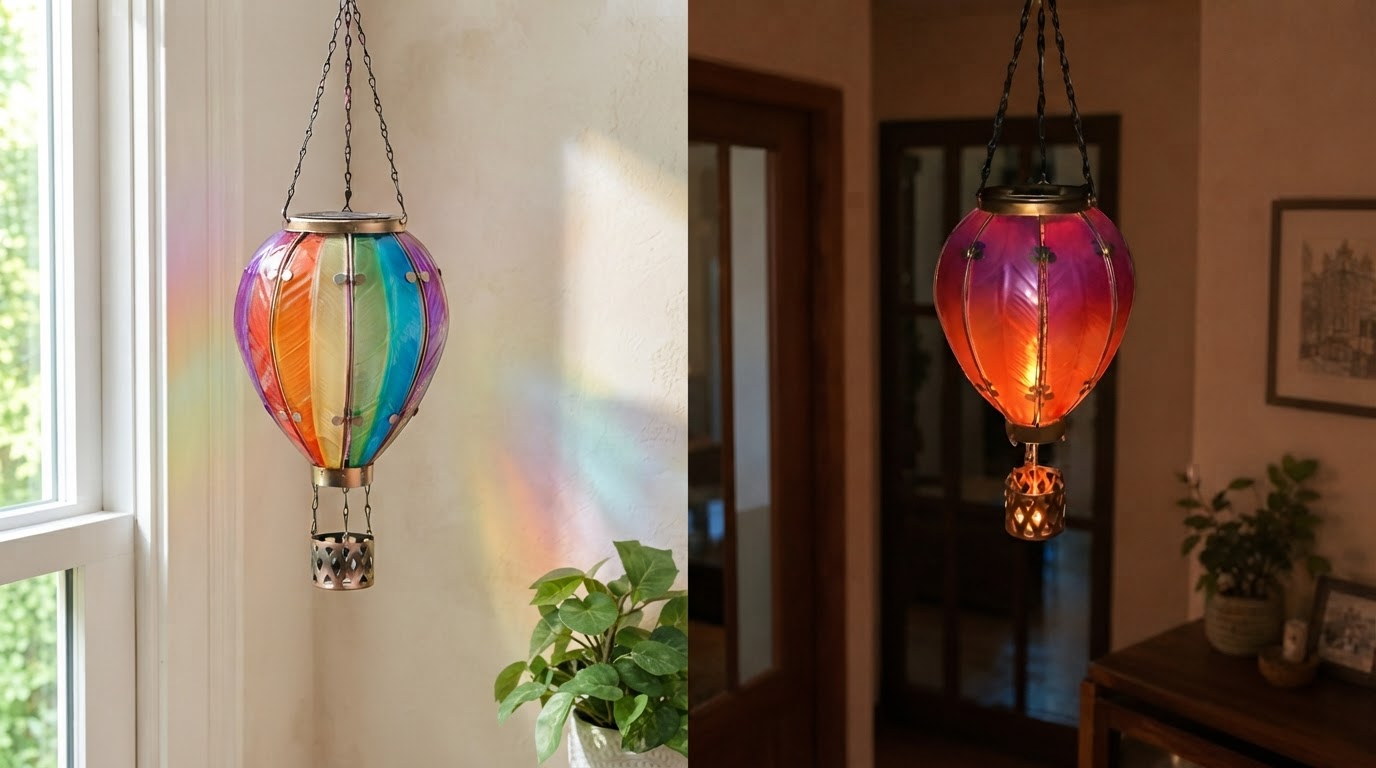
Solar Balloon Lantern Performance in Hanging Environments
 Maya ChenContributing Editor
October 23, 2026 — Recent shifts in residential landscaping show a move toward lightweight, high-output hanging fixtures, with the Solar Balloon Lantern emerging as a primary alternative to heavy glass hardware. While traditional aesthetics favor permanent installations, the demand for flexible, weather-resistant lighting is driving a new category of inflatable solar tech.
The conventional wisdom says that for a hanging solar lantern to be durable, it must be constructed from heavy-duty materials like the thick glass found in the Murano-inspired designs at VivaTerra. However, this ignores the structural strain placed on tree limbs and shepherd hooks by weighted fixtures during storm events. Data from Pinterest’s curated outdoor lighting collections suggests that users are increasingly prioritizing waterproof ratings and ease of suspension over traditional mass. The trade-off usually involves a sacrifice in light quality, but the shift toward integrated LED balloons is challenging the necessity of glass enclosures for outdoor longevity.
The Durability and Weight Framework
Here’s the part nobody talks about: the mechanical failure of hanging lanterns is rarely caused by the solar cell itself, but by the mounting hardware failing under the weight of the lantern during high-wind intervals. Run the math: a standard glass lantern can weigh between three and five pounds, creating significant torque on a standard garden hook. In contrast, the Solar Balloon Lantern utilizes an inflatable TPU or PVC-based chassis that weighs less than one pound, significantly reducing the risk of property damage. These units typically feature an IP67 waterproof rating, ensuring they remain functional even when fully exposed to rain, unlike fabric lanterns that can mildew if not dried properly. While specific lumen counts vary by model, these lanterns generally provide 50 to 100 lumens of soft, diffused light, powered by a monocrystalline solar panel integrated into the top surface. A standard six-hour charge in direct sunlight typically yields eight to ten hours of runtime, covering the full duration of typical evening use without the voltage drop-off seen in cheaper, non-branded alternatives. This makes them highly effective as unique solar gifts for gardeners who require low-maintenance hardware that won't snap delicate branches.
Expert tip: When hanging solar lanterns for outside, always calculate the maximum weight capacity of your support structure during wet conditions; a lightweight Solar Balloon Lantern avoids the structural fatigue that causes glass lanterns to shatter during autumn storms.
Integrating these units into a broader lighting scheme often requires pairing them with [rechargeable solar glow balloons](/blog/rechargeable-solar-glow-balloons) to ensure consistent coverage across different elevations in the yard. I’ll change my mind when traditional glass manufacturers can match the lumen-to-weight ratio of inflatable tech without the inherent fragility of heavy casing. For those looking for a functional upgrade, these lanterns represent a logical departure from the heavy, under-performing fixtures of the past.
Sources
- Solar Lanterns – Allsop Home & Garden
- Solar Lanterns +& Hanging Solar - VivaTerra
- Solar Lighting - Plow & Hearth