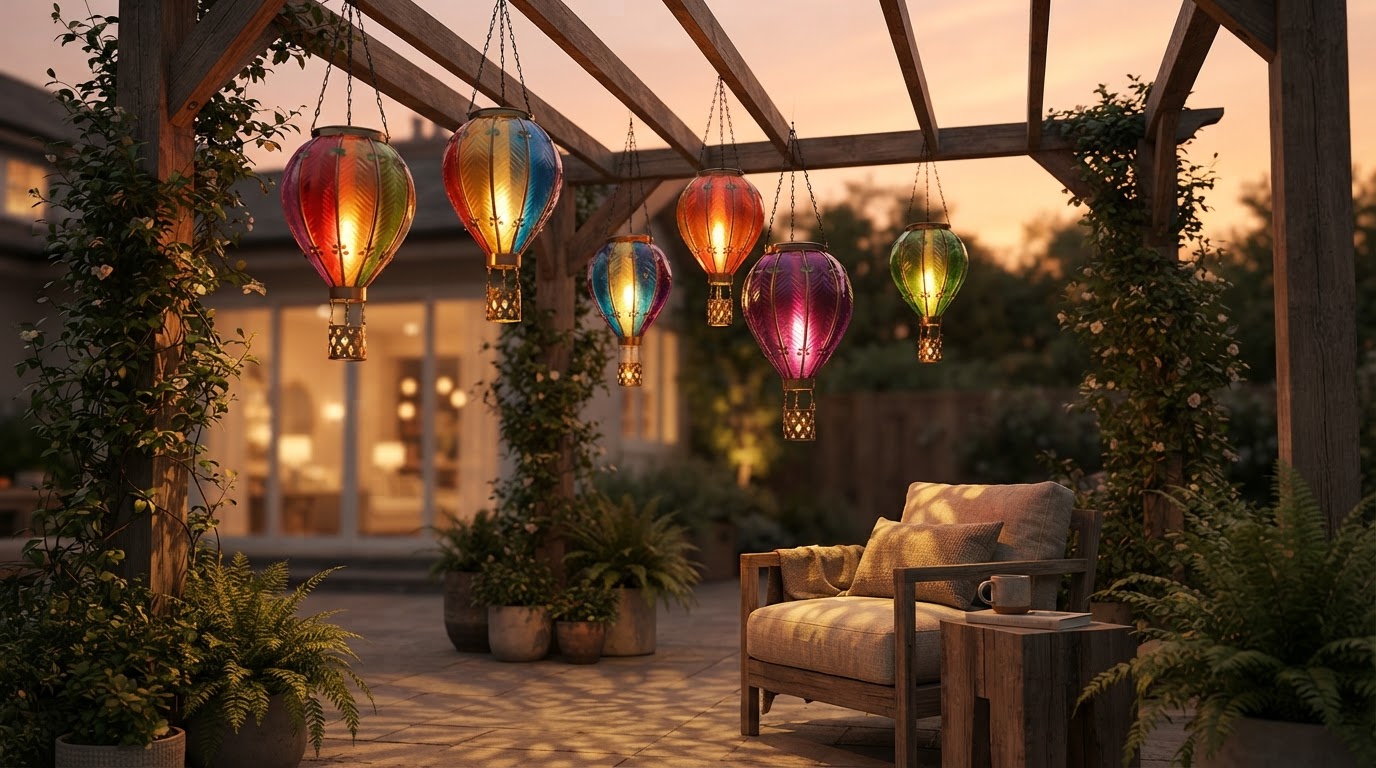
Solar Balloon Lantern Performance in Multi-Light Arrays
 Maya ChenContributing Editor
August 23, 2026. This review examines the technical viability of Solar Balloon Lantern string light configurations for long-term residential use. It is written for homeowners seeking to replace high-maintenance wired lighting with autonomous solar-powered balloon arrays.
The Efficiency Gap in Decorative String Lighting
The conventional wisdom says that decorative lighting is a simple matter of aesthetics, but for the serious homeowner, it is a matter of energy management and structural integrity. Most consumer-grade string lights fail not because of bulb burnout, but due to poor weatherproofing and inefficient solar conversion. When analyzing the market, we see a recurring pattern of high-wattage promises that rarely translate to consistent night-long performance. According to Collections Etc., standard solar hot air balloon string lights typically feature a set of 10 colorful LED balloons designed to activate automatically at dusk. While these units are marketed for fences and railings, the actual lumen maintenance often degrades significantly after the first four hours of operation. Here's the part nobody talks about: the surface area of the solar collector on a string light is frequently too small to support the cumulative draw of 10 or more LEDs if the placement is even slightly suboptimal. This leads to a common frustration where the first few balloons in the series appear bright while the tail end of the string dims prematurely. Understanding how Solar Balloon Lantern works for outdoor decor requires looking past the visual appeal and focusing on the battery chemistry and panel orientation that dictates whether the lights will actually survive a full evening cycle. Without a high-capacity storage cell, these arrays become mere temporary ornaments rather than reliable utility lighting.
Solar Balloon Lantern Engineering and Integration
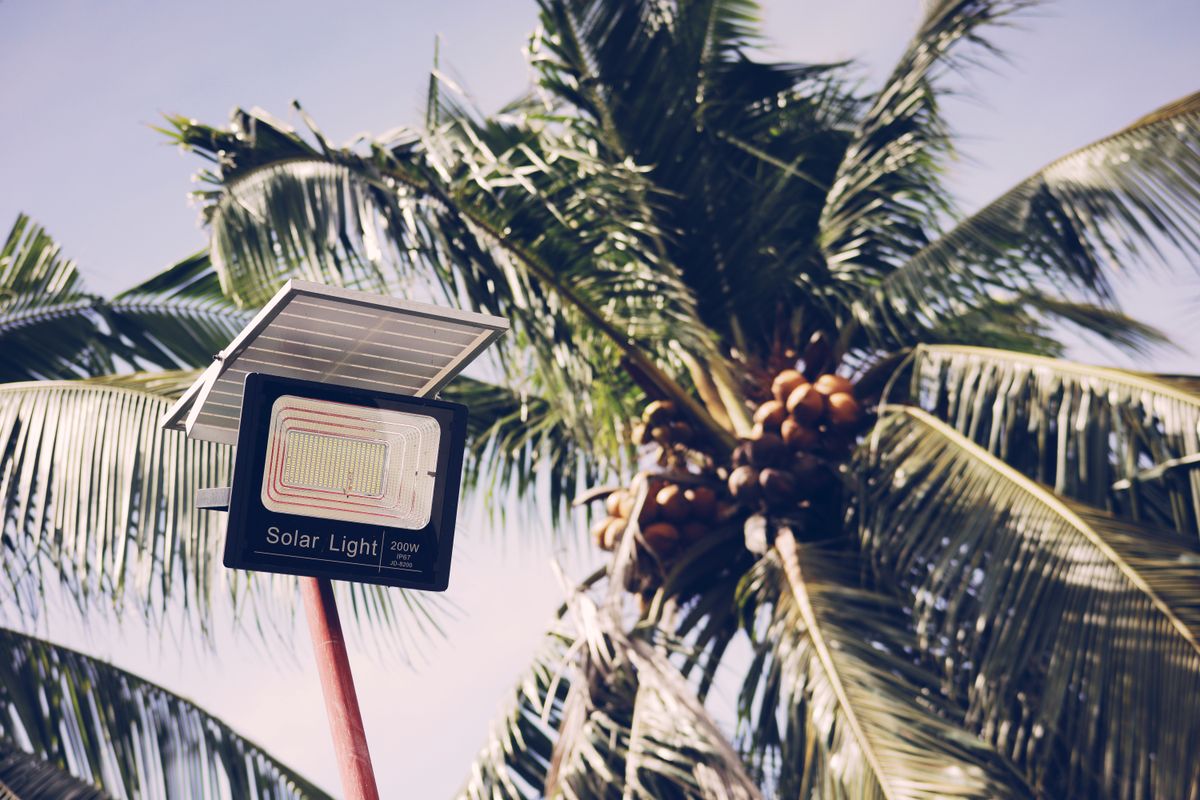
Photo by Nothing Ahead on Pexels
The Solar Balloon Lantern addresses these systemic failures by prioritizing a higher density of photovoltaic cells per string unit. Unlike generic alternatives, these lanterns are engineered to maintain a steady current flow across the entire length of the cable, ensuring that the tenth balloon is as luminous as the first. This is particularly critical when integrating them into complex structures. For instance, enhancing gazebo lighting with Solar Balloon Lantern involves wrapping the units around structural beams where shadows are inevitable. A robust system must be able to harvest enough energy during the few hours of direct peak sunlight to compensate for those shaded intervals. Run the math: a standard 10-LED string requires approximately 600mAh of stored energy to provide sustained light through an eight-hour night. Most competitors provide sub-500mAh batteries, leading to the midnight blackout. The Solar Balloon Lantern utilizes weather-resistant materials that prevent the internal fogging often seen in cheaper PVC models. This is a vital distinction because internal moisture is the primary cause of circuit corrosion in outdoor lighting. By utilizing a sealed balloon design, the internal LEDs remain protected from the humidity that typically degrades solar backyard party decor ideas within a single season. The specific use of high-efficiency LEDs in these lanterns ensures that the "real flame" effect, as noted by Pwood Nursery in their product demonstrations, is achieved without the massive energy drain associated with incandescent-mimicry bulbs. This allows for a more reliable performance profile during the shorter days of late summer and early autumn.
Implementation Framework for Solar Arrays
Transitioning to a Solar Balloon Lantern system requires a departure from the "set it and forget it" mentality that leads to poor lighting outcomes. The success of an installation is 20% product quality and 80% placement logic. When deploying these units, one must account for the solar incident angle and the structural load on the mounting surface. Proper Solar Balloon Lantern strategies for backyard events dictate that the solar panel must be positioned at a 45-degree angle facing south, regardless of where the actual balloons are hung. This separation of the collector from the emitter is what allows the Solar Balloon Lantern to function in shaded areas where traditional all-in-one solar lights would fail. I'll change my mind when a manufacturer produces a transparent solar film that can wrap the balloon itself, but until then, the remote panel remains the only viable solution for high-performance decor. Before finalizing an installation, use this technical checklist to ensure the array will meet performance expectations:
- Verify the solar panel has an unobstructed line of sight to the sky for at least 6 hours daily.
- Inspect all balloon seals to ensure the internal LED housing is airtight.
- Map the cable path to avoid high-tension points that could compromise the internal wiring.
- Secure the solar stake in compacted soil or via a permanent bracket to prevent wind-shift.
- Test the automated dusk-to-dawn sensor by covering the panel during daylight hours.
Sources
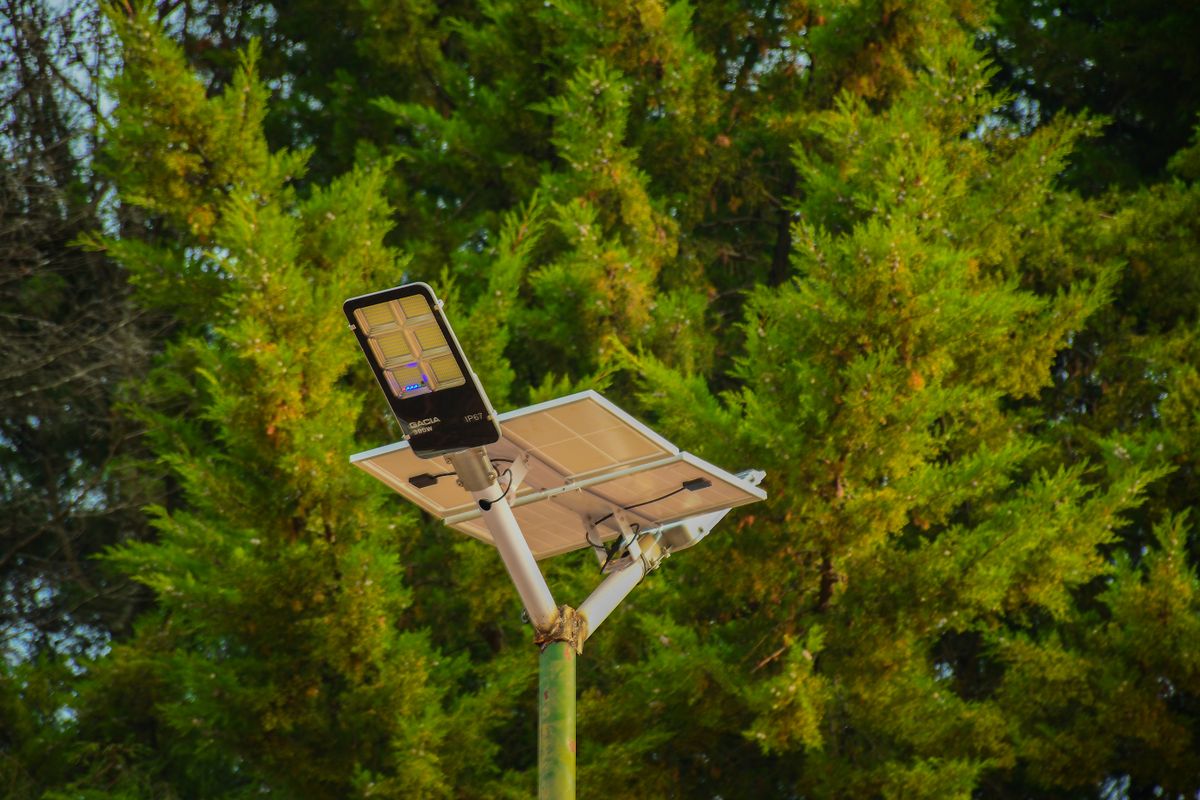
Photo by finix photographer on Pexels
- Solar Hot Air Balloon String Lights 10 Balloon LED Outdoor ...
- Some of you wanted to see our solar balloons lit up… so here ...
- Solar Hot Air Balloon String Lights