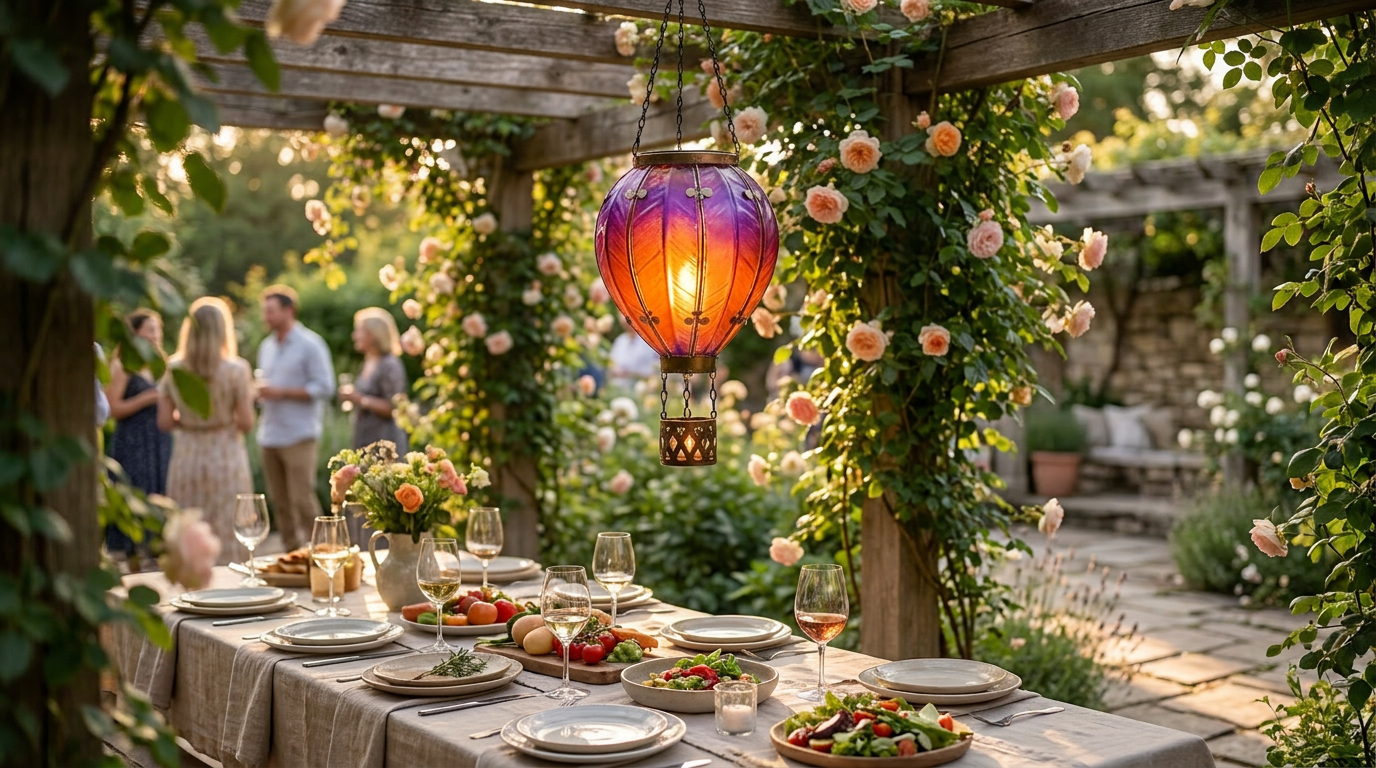
Solar Balloon Lantern Challenges Garden Decor Trends
 Maya ChenContributing Editor
July 1, 2026 — The seasonal surge in outdoor lighting has prioritized low-cost aesthetics over technical durability, with the Solar Balloon Lantern entering a market currently saturated by disposable DIY alternatives. While industry observers advocate for high-volume, low-cost lighting solutions, the physical specifications of metal-and-PVC units suggest a shift toward hardware longevity in the garden decor sector.
The conventional wisdom says that more is better when it comes to summer illumination. According to 7Pandas, hanging solar-powered fairy lights from tree branches or trellises is the primary method for achieving a fanciful touch in residential spaces. However, this approach often overlooks the structural degradation of thin-gauge wiring in outdoor environments. Run the math: a standard set of fairy lights lacks the IP6 waterproof rating found in the Solar Balloon Lantern, which utilizes a rust-resistant protective treatment to maintain its 20.1-inch Large or 13.1-inch Small silhouette through multiple seasons.
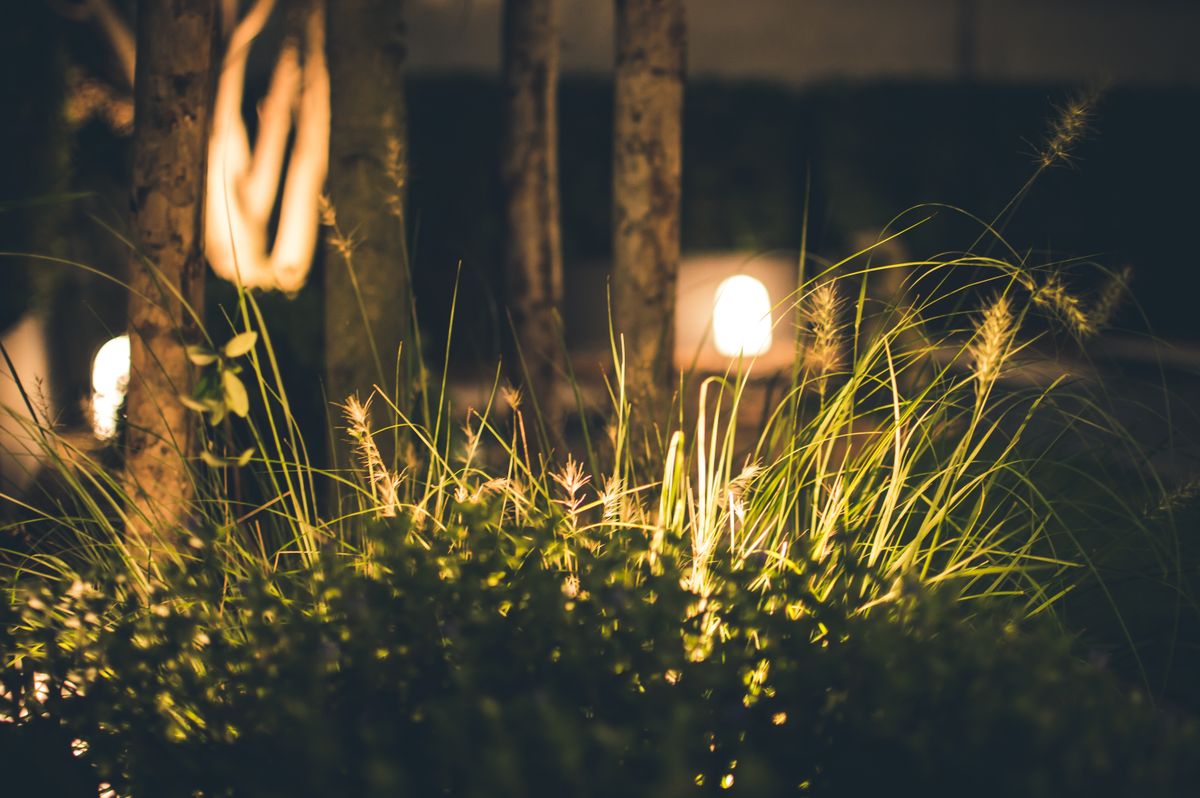
Photo by suzukii xingfu on Pexels
Here’s the part nobody talks about: the efficiency gap between decorative stakes and integrated LED flame effects. Homes & Gardens suggests that adding decorative solar stakes to borders is the most efficient way to illuminate greenery. Yet, these stakes frequently suffer from low-capacity solar cells that fail to power flickering ambient light for more than a few hours. In contrast, the Solar Balloon Lantern’s metal frame and PVC construction are designed to house larger internal collectors without the need for external wiring. This design addresses the functional failures common in the 20 Solar Light Dollar Tree DIYs highlighted by budget-focused creators, where low-cost components often require frequent replacement.
Expert tip: When installing hanging lanterns in high-wind areas, utilize heavy-duty S-hooks rather than the standard thin-gauge wire provided with most kits. The 20.1-inch Large model has a higher wind resistance profile than smaller stakes, making it essential to secure the metal frame directly to a fixed structure like a porch beam or a reinforced garden hook to prevent kinetic damage during summer storms.
I’ll change my mind when the data shows that DIY solar projects can maintain an IP6 rating and consistent flame-effect output for more than a single ninety-day summer cycle. Until then, the structural integrity of purpose-built hardware remains the only logical choice for permanent installations.