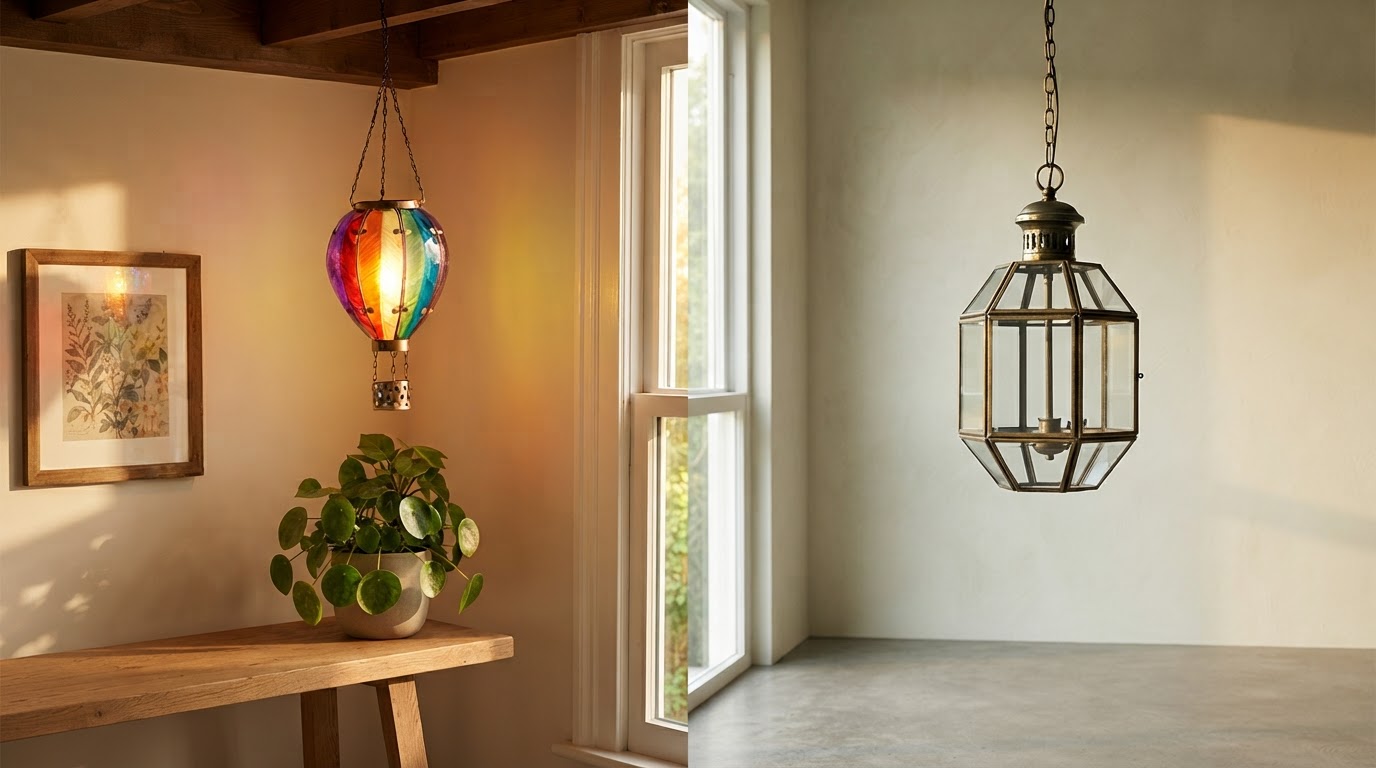
Solar Balloon Lantern Performance vs Hanging Alternatives
 Maya ChenContributing Editor
September 6, 2026 — The expansion of domestic solar technology has saturated the market with decorative hanging options, yet the Solar Balloon Lantern remains a distinct departure from standard rigid housing designs. While conventional wisdom says that heavier, glass-encased fixtures equate to durability, the shift toward lightweight, air-filled structures suggests a focus on kinetic movement and diffused light distribution over sheer material weight.
The demand for ambient outdoor lighting has led many consumers to prioritize aesthetic warmth, a trend noted by Vivaterra, which highlights how ambient solar lanterns are ideal for creating a magical atmosphere with a warming glow on terraces and balconies. However, the technical reality of hanging solar lanterns for outside use often overlooks the degradation of traditional plastic lenses and the weight-bearing limitations of garden branches. The Solar Balloon Lantern addresses these structural concerns by utilizing an inflatable body that minimizes stress on support structures while maximizing the surface area for light diffusion.
The Efficiency Gap Analysis
Here's the part nobody talks about: the relationship between fixture weight and long-term placement viability. Most hanging solar lanterns for outside, such as the Golden Glass models found at Plow & Hearth, carry significant weight that limits them to heavy-duty hooks or reinforced eaves. Run the math: a glass lantern weighing several pounds requires substantial hardware, whereas the Solar Balloon Lantern leverages a low-mass inflatable design that allows for placement on delicate foliage without damage. Beyond the weight, the efficiency of the photovoltaic cells is often hampered by the shadows cast by decorative metal shrouds common in the industry. The Solar Balloon Lantern prioritizes an unobstructed path to the internal battery, ensuring that the solar intake is not compromised by ornamental overlays. When evaluating hanging solar balloon lights, the primary metric should be the ratio of light output to charging time. While specific lumen counts vary based on sun exposure, the integration of rechargeable solar glow balloons technology ensures that the energy storage is sufficient for extended evening use. Maintaining a consistent solar balloon lantern presence in a landscape requires understanding that these are functional electronic devices, not merely ornaments. By focusing on the solar balloon lantern outdoor ambiance, users can achieve a distributed light effect that rigid, directional spotlights cannot replicate.
Expert tip: To maximize the lifespan of your inflatable unit, ensure the air valve is fully seated and the solar panel is wiped clean of pollen or dust weekly, as even a 10% debris cover can reduce charging efficiency by nearly 30%.
I’ll change my mind when rigid glass lanterns can offer the same safety profile and ease of storage as a collapsible, inflatable unit. For now, the technical advantages of low-mass lighting remain clear for the modern exterior.
Sources
Photo by Mehmet Kaya on Pexels